 WHY US
 SELL YOUR CAR
 TESTIMONIALS
 FAQ
FAQ
 CONTACT US


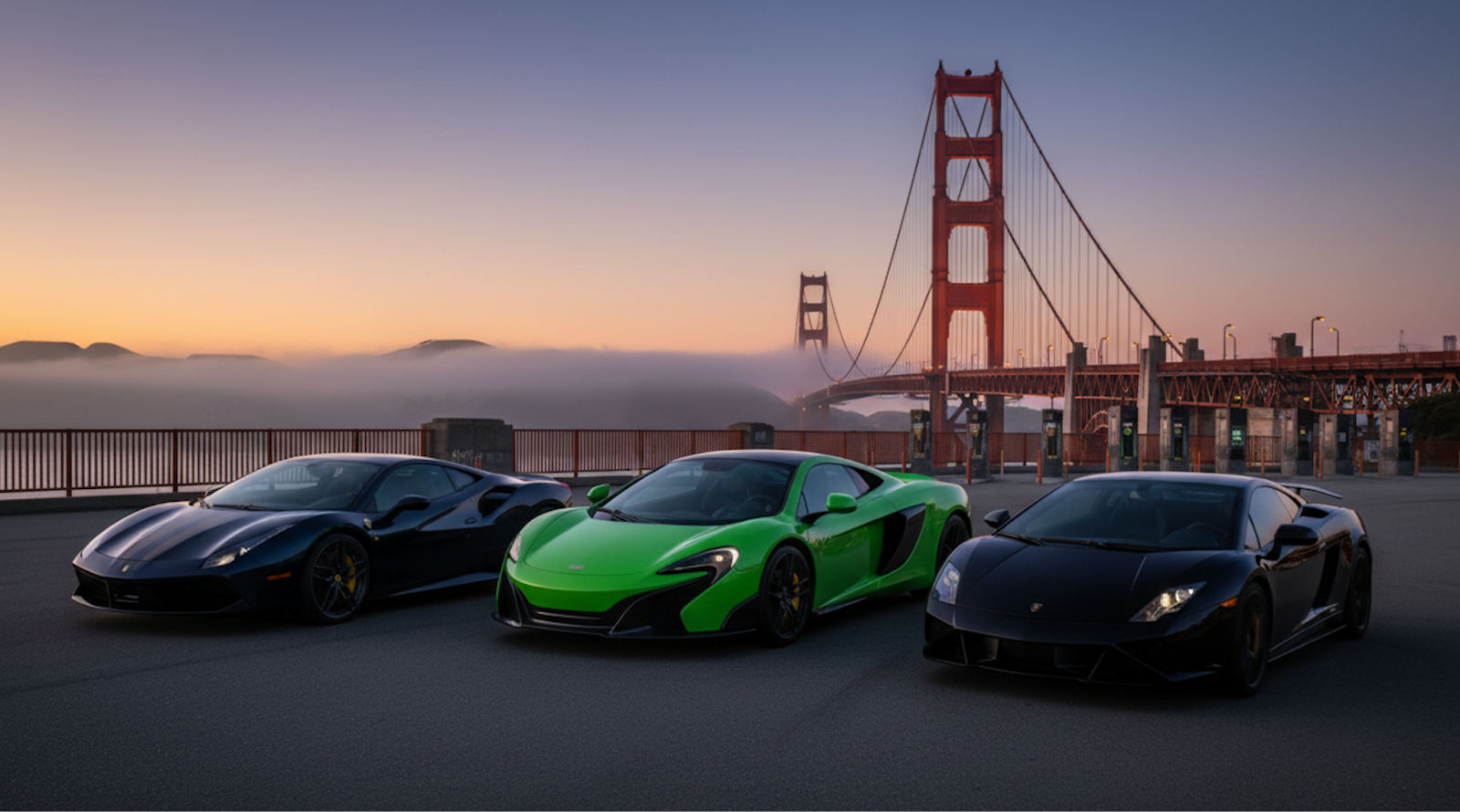
For owners of exotic and ultra-luxury vehicles produced between 2005 and 2025, timing, not just valuation, has become the critical factor. Many models are now approaching inflection points where shifting buyer preferences, incoming replacement models, and rising inventory levels are beginning to outweigh headline asking prices.
Below is a model-by-model breakdown of how the market is currently repositioning these actively traded exotics and, more importantly, why the window to sell at favorable terms may be narrower than it appears.
1. Ferrari 458 Italia
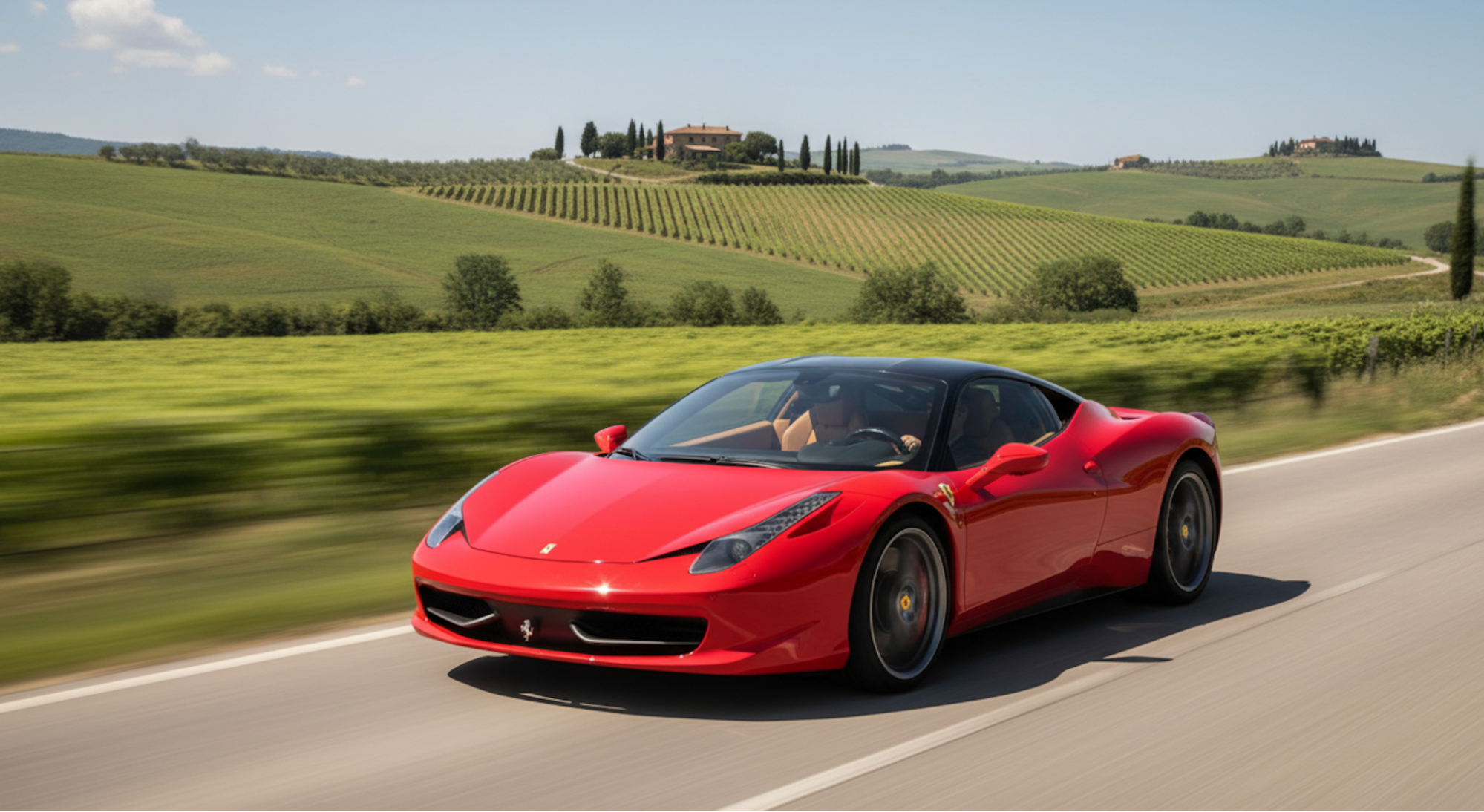
The 458 Italia has enjoyed a strong appreciation cycle, driven by its status as Ferrari’s last naturally aspirated mid-engine V8. However, pricing has now reached a level where buyers are increasingly selective, and transaction velocity is slowing. As values push higher, liquidity becomes thinner, and condition sensitivity increases sharply. Owners sitting on peak or near-peak pricing should consider selling before the market transitions from appreciation to stagnation, particularly as capital rotates toward more limited Ferrari offerings.
2. Ferrari: 488 GTB
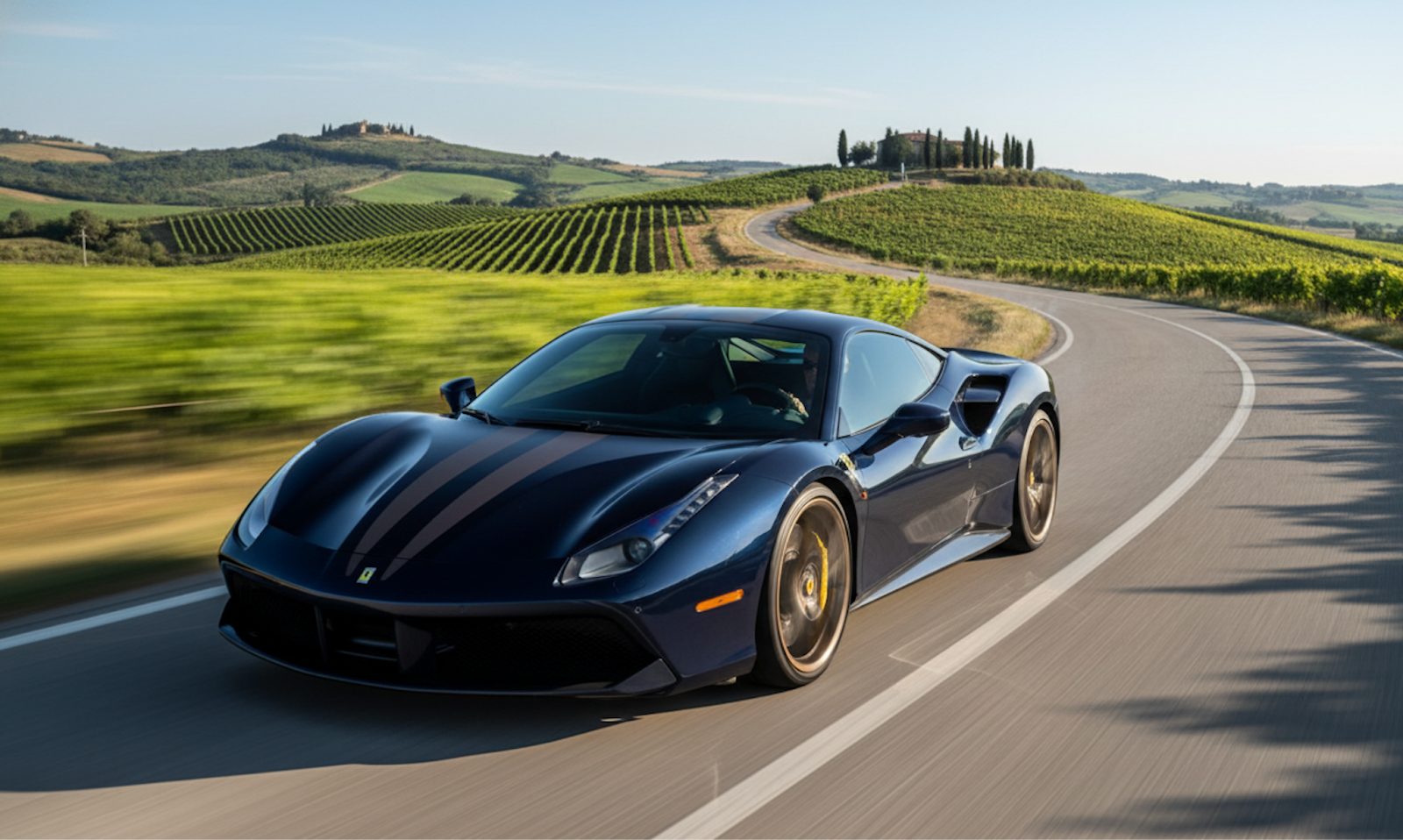
The recent run-up in 458 Italia pricing, combined with notable softness in the 296 GTB/GTS market, leaves the 488 positioned awkwardly between eras. Newer hybrid Ferraris are becoming more accessible, while older NA models continue to attract premium demand. The 488 risks becoming the “middle child,” with downward price pressure expected as buyers gravitate toward either nostalgia or next-gen technology. Selling ahead of this recalibration is prudent.
3. Lamborghini Gallardo
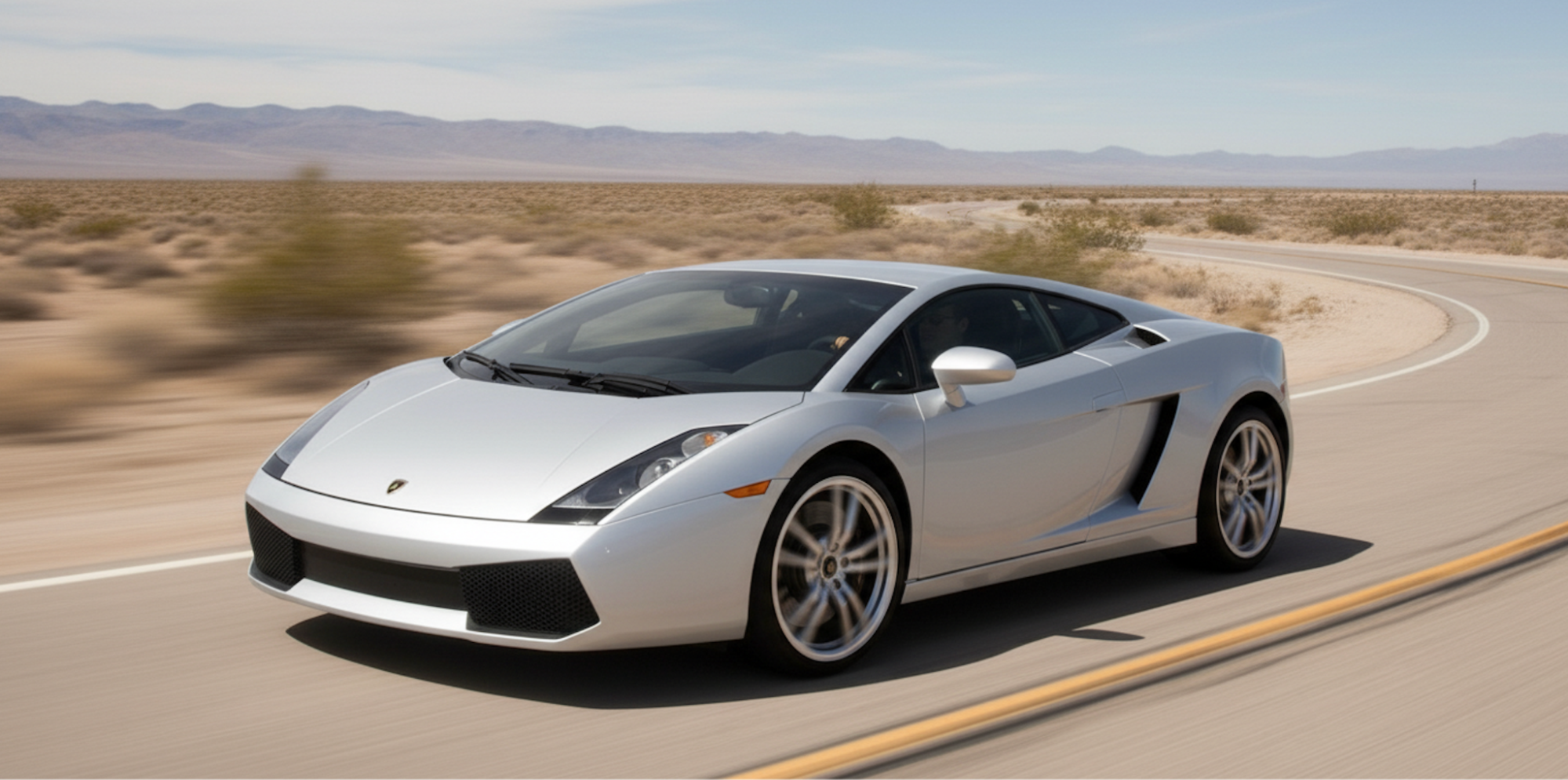
The Gallardo benefits from legacy appeal, but supply remains deep, and buyer attention has increasingly shifted toward the Huracán and newer Lamborghini platforms. As early Gallardos age further, deferred maintenance and generational design differences are beginning to weigh on buyer confidence. With Huracán pricing under pressure and newer models entering the market, Gallardo values are vulnerable to being dragged down by broader Lamborghini market softness.
4. Lamborghini: Huracán
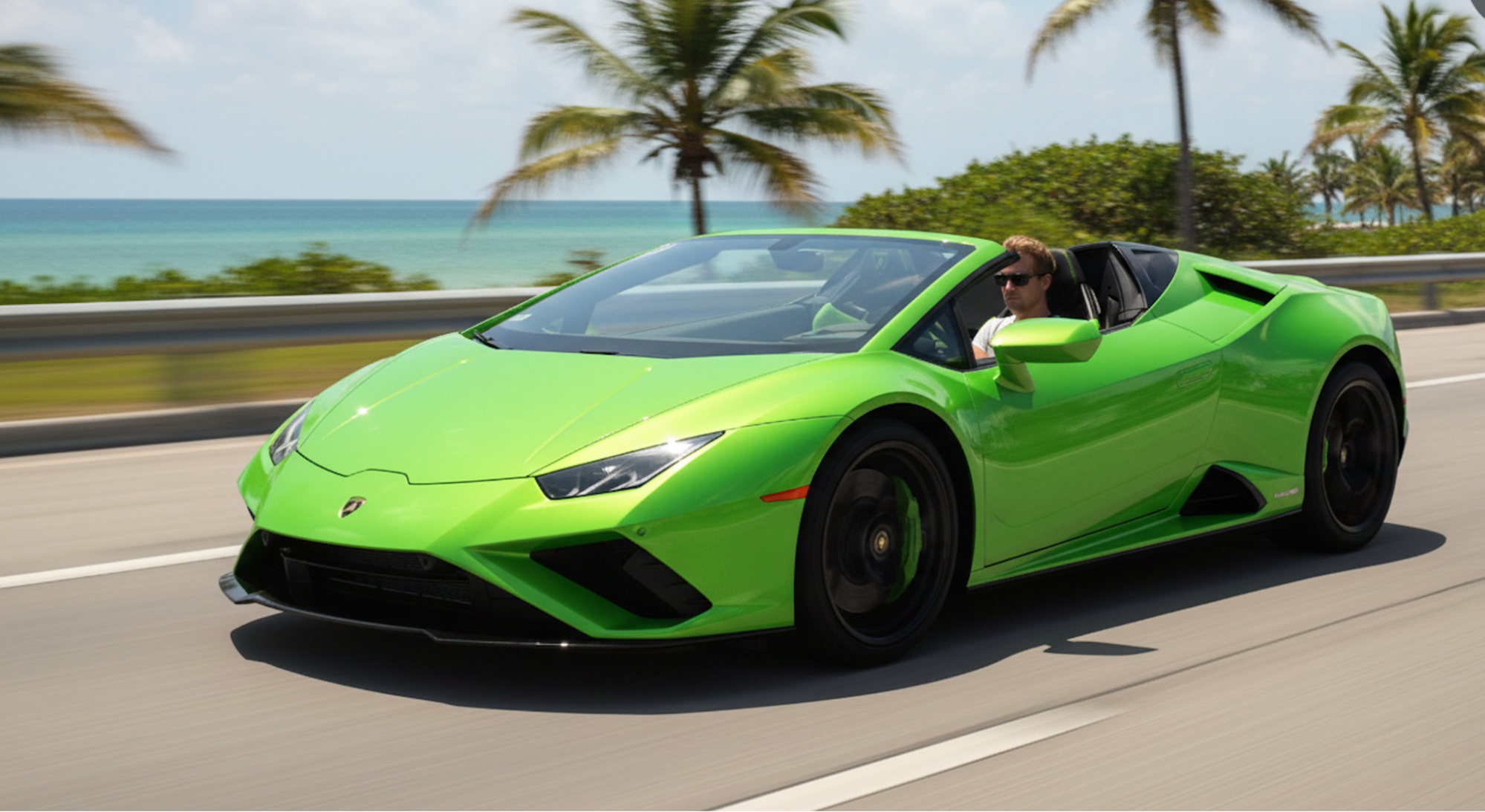
With the introduction of the all-new Temerario, a wave of Huracán trade-ins is inevitable. This influx of inventory will increase competition across all trims, compressing prices and extending days on market. What has been a relatively stable ownership proposition is quickly becoming supply-heavy. Selling ahead of this replacement-driven inventory surge positions owners defensively before 2026 pricing volatility takes hold.
5. McLaren 650S
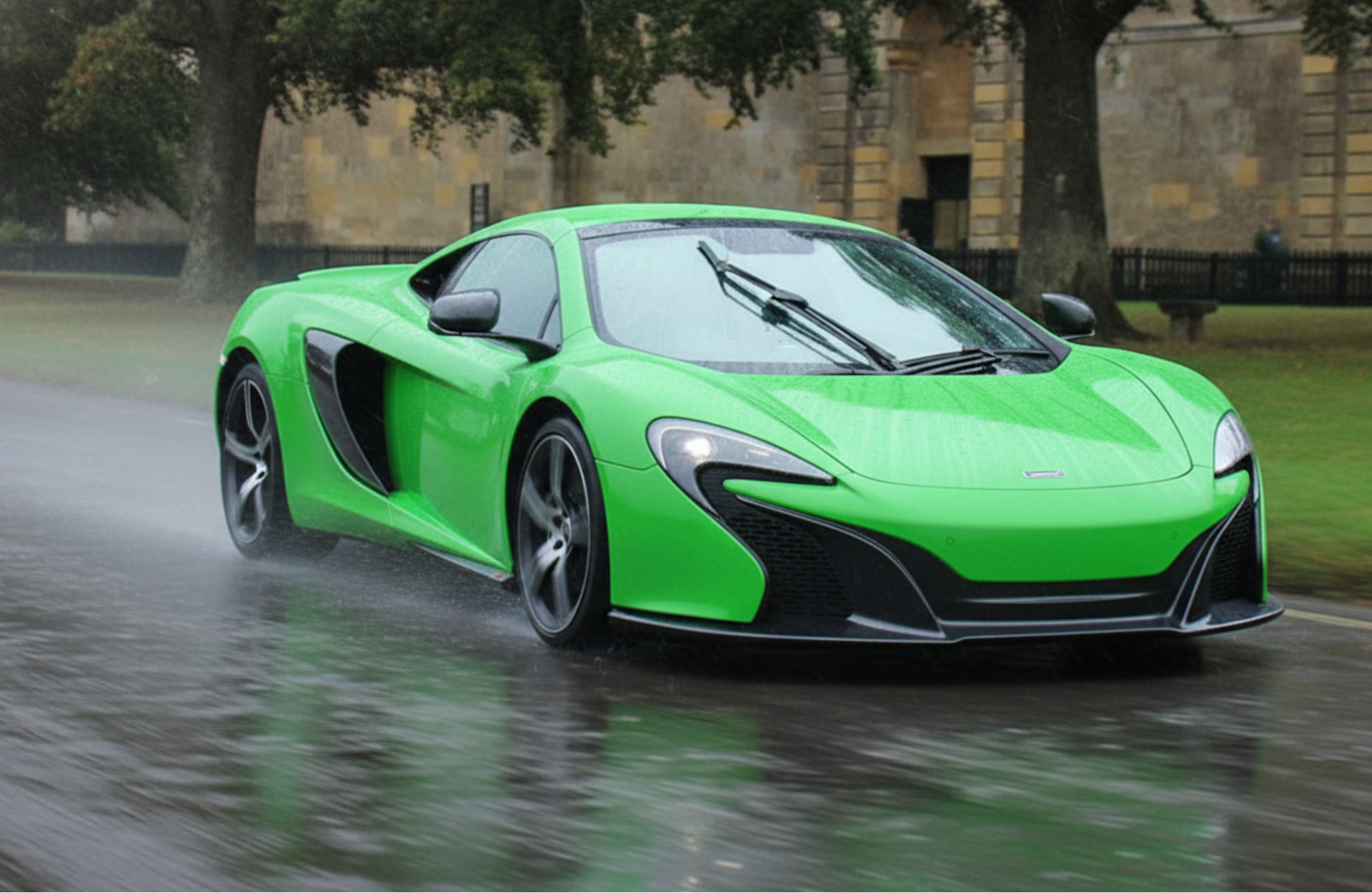
The 650S continues to suffer from the long-term effects of McLaren’s rapid model turnover. Buyers increasingly favor newer platforms with improved interiors and technology, leaving the 650S vulnerable to ongoing depreciation. As maintenance perception and warranty concerns grow, liquidity diminishes. Owners should consider exiting before values soften further in a market that shows little sign of stabilizing.
6. McLaren 720S
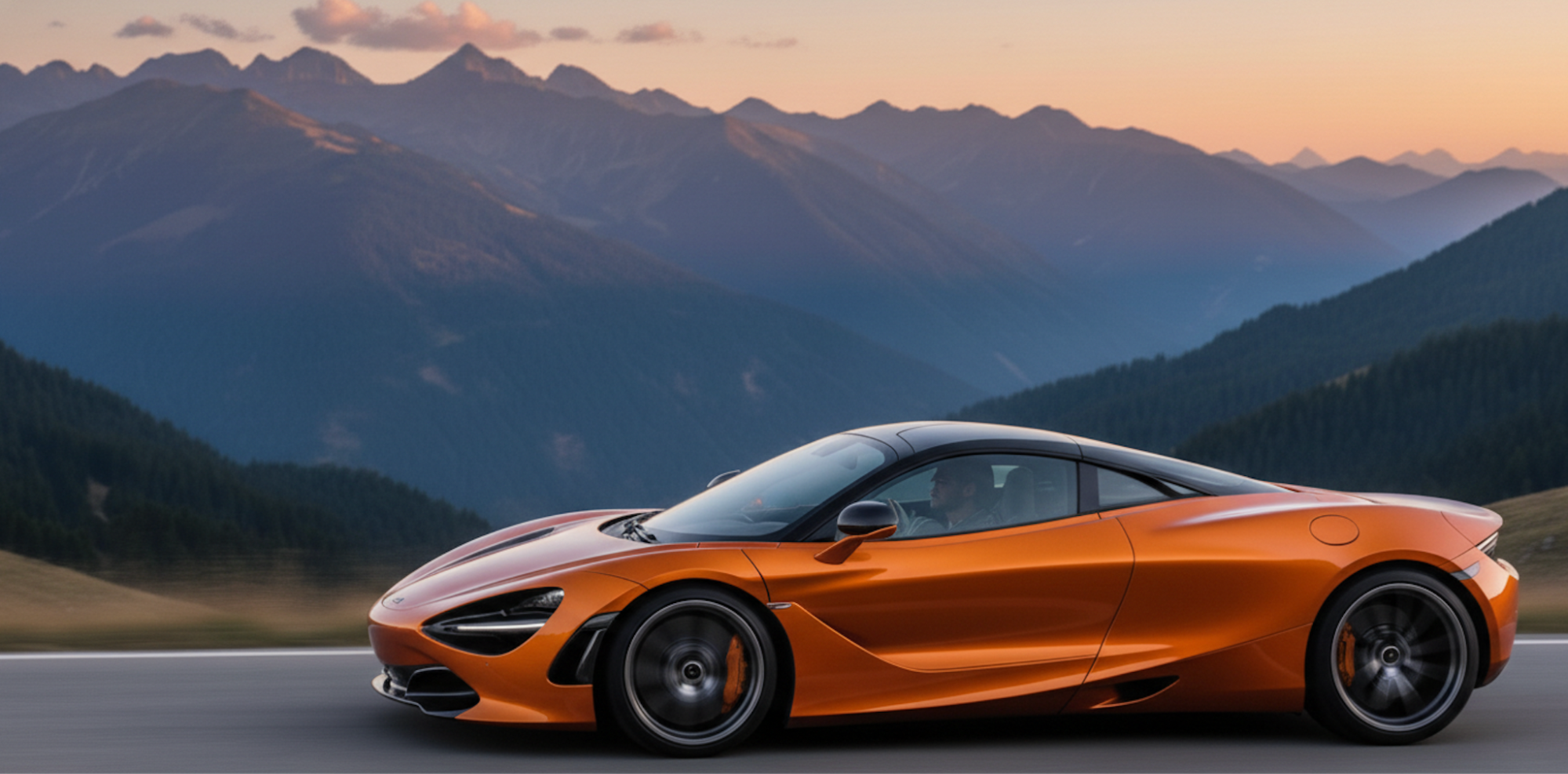
The arrival of the 750S has reset buyer expectations across the McLaren lineup. While the 720S remains highly capable, it now competes directly with its own replacement at narrowing price gaps. This dynamic compresses values and accelerates depreciation as buyers trade up. Selling ahead of the increased 720S supply from upgrade-driven sellers helps avoid further downside risk.
7. Aston Martin Vantage
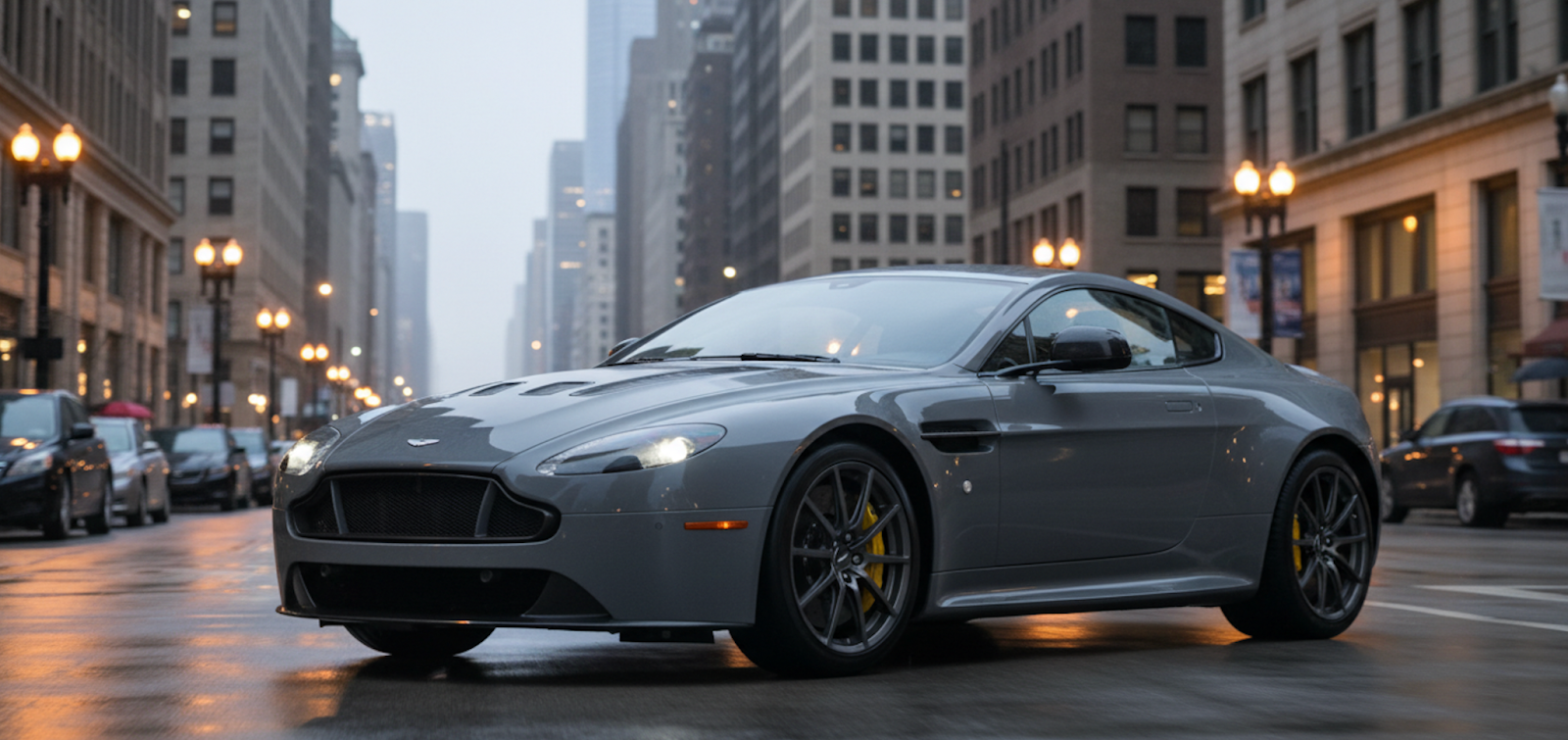
The Vantage market is under pressure from both internal and external forces. Newer Aston Martin models offer dramatic leaps in interior quality and performance, while competitive alternatives continue to crowd the segment. As supply builds and incentives rise on new cars, used values are exposed. Selling now mitigates the risk of being undercut by newer, better-equipped offerings.
8. Aston Martin DB11
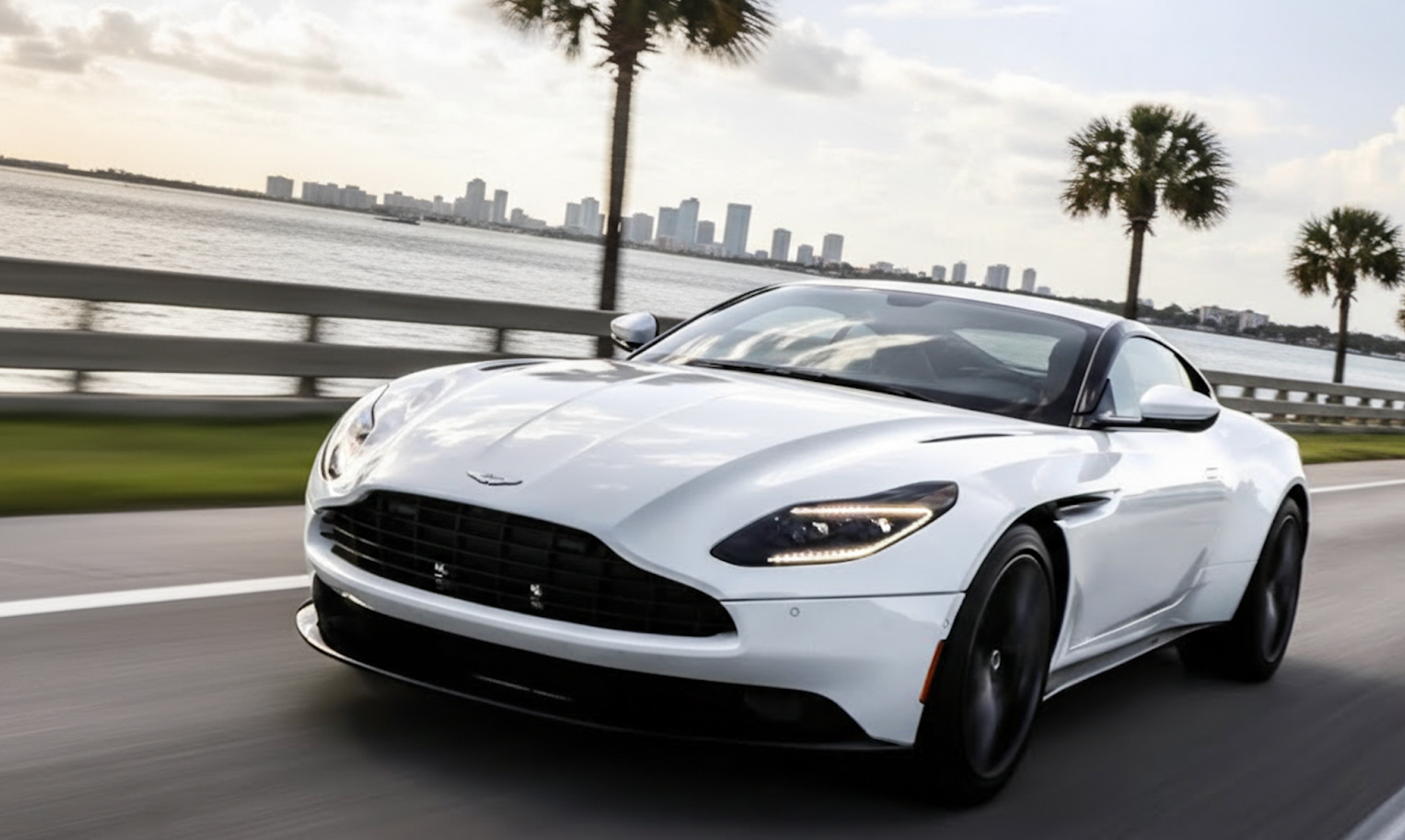
The DB11 faces growing obsolescence as Aston Martin refreshes its GT lineup with more compelling designs and improved powertrains. Buyer demand has softened as newer models redefine expectations for luxury and performance. With depreciation continuing and limited collector upside, owners should consider exiting before the DB11 is further overshadowed.
9. Rolls-Royce Ghost
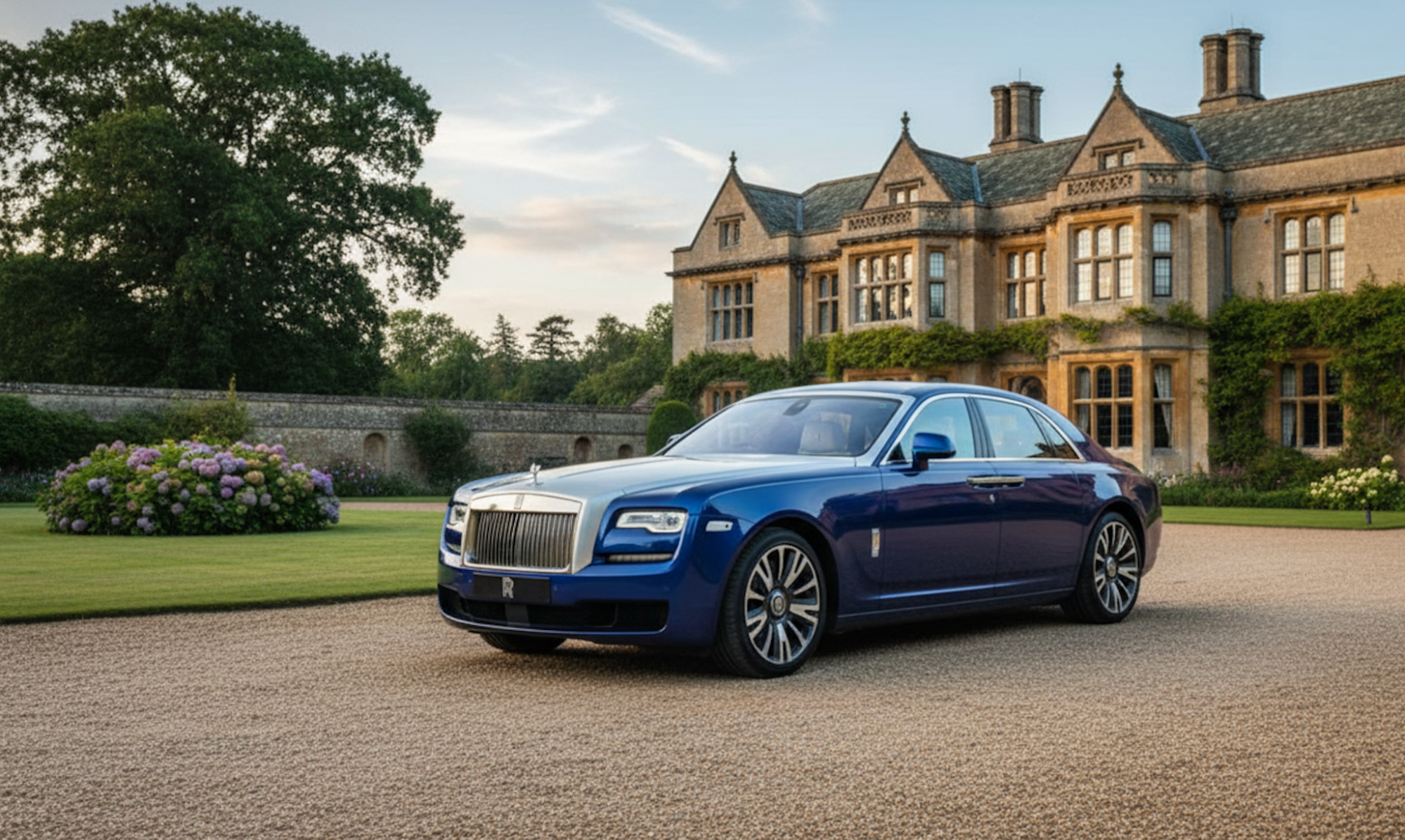
The Ghost market has cooled as ultra-luxury demand normalizes post-pandemic. Increased availability of late-model examples, combined with buyer sensitivity to spec and mileage, has reduced pricing resilience. As newer Rolls-Royce offerings attract attention, older Ghosts risk extended time on market. Selling now captures remaining liquidity before values drift lower.
10. Rolls-Royce Cullinan
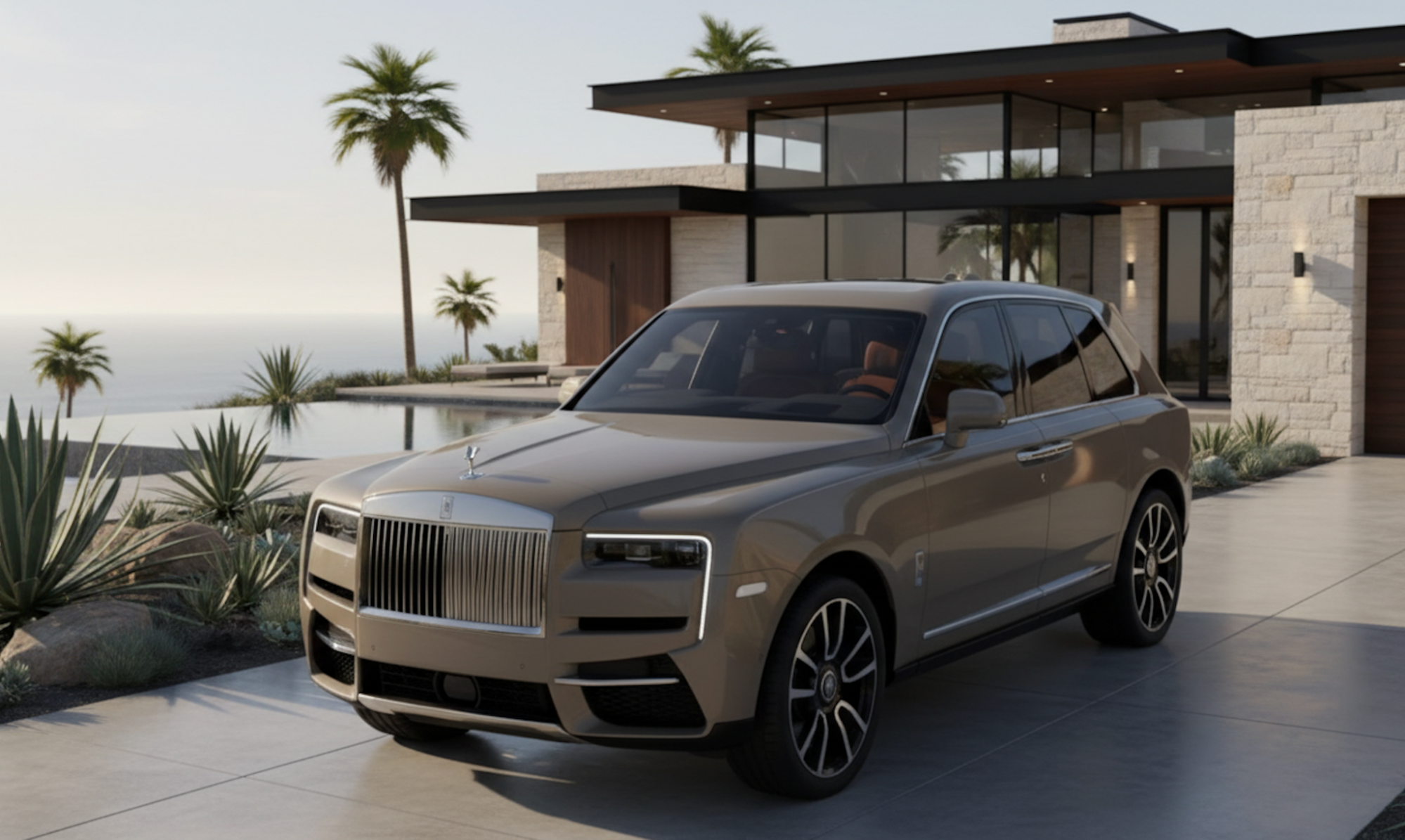
Once buoyed by unprecedented demand, the Cullinan market is now seeing increased inventory and buyer hesitation at elevated price levels. As high-spec examples saturate the market and alternatives emerge in the ultra-luxury SUV space, pricing pressure is building. Owners who purchased near the top of the cycle should consider selling before normalization accelerates further.
Why Model Knowledge Matters in 2026
The exotic car market in 2026 is increasingly unforgiving to passive sellers. As inventory grows and buyer behavior becomes more selective, values are being set less by reputation and more by timing, positioning, and forward-looking demand.
Two cars from the same brand, and even the same model, can experience very different outcomes depending on where they sit in the product lifecycle. Replacement models, technology shifts, and changing collector preferences are already reshaping price expectations, often faster than owners anticipate.
Success in this environment comes from acting ahead of the curve, not reacting to it. Sellers who understand where demand is headed—rather than where it has been—are better positioned to preserve value and exit on favorable terms.
In a market this nuanced, expertise isn’t optional; it’s the difference between leading the market and being led by it.
Trust the Experts. Sell Your Luxury Car with We Buy Exotics.