
 WHY US
 SELL YOUR CAR
 TESTIMONIALS
 FAQ
 CONTACT US



You don’t need to rebuild your exotic car before you sell it. You need to show it honestly, prove its history, and have the paperwork ready before the first buyer asks.
The prep comes down to three jobs: getting the car presentable, getting the documents in order, and running a few checks that stop deals from falling apart late. This guide covers each one in the order to do them.
The same prep applies whether you sell privately, consign, or take a cash offer. What changes is how much of the work lands on you.
1. Make the car look as good as it is
A clean exotic reads as a cared-for exotic. Buyers and appraisers form an opinion fast, and condition is the first thing they see.
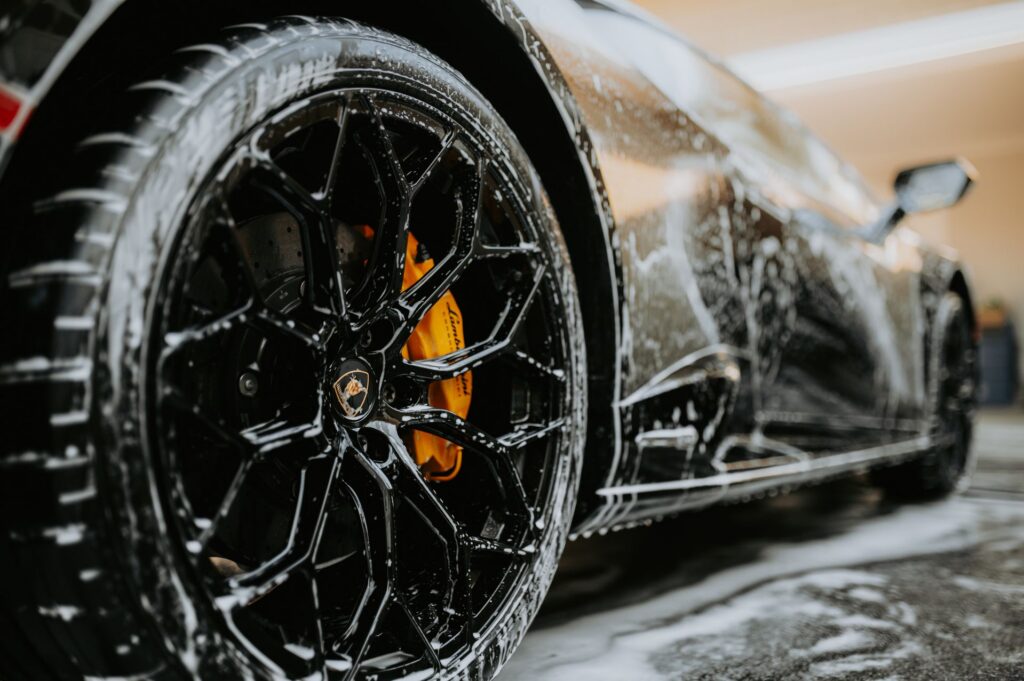
- Get a professional detail. Interior, exterior, engine bay, wheel wells, and door jambs. A quick wash won’t do it.
- Ask a detailer about the paint. Light swirls and haze often polish out. Deep scratches, chips, and dents usually don’t, so photograph them honestly instead of hiding them.
- Check the wheels and tires. Look for curb rash and note the tire brand and remaining tread.
- Clear the interior. Remove every personal item, vacuum, and condition the leather.
- Gather everything that came with the car. Every key and fob, the owner’s manuals, the car cover, the battery tender, the tool kit, and any fitted luggage.
Then take photos in daylight, in a clean, uncluttered spot. If you’re listing the car yourself, photos do most of the selling. Shoot the front and rear three-quarter views, both sides, the wheels, the interior, the odometer, the engine bay, and any flaws.
2. Know what to fix and what to leave alone
Fix what’s cheap, visible, and safe. Leave the big repairs alone until you’ve seen the quote next to what the repair would realistically add to your price. On an exotic, the quote often wins.
Worth doing before you sell:
- Replace burned-out bulbs and dead key fob batteries.
- Complete any scheduled service that’s overdue, since a buyer will price it in at a premium.
- Touch up small cosmetic flaws a detailer can handle cheaply.
Usually not worth doing:
- Major mechanical repairs.
- A full repaint or wheel refinish.
- Reversing modifications. If the car is modified, keep any original parts you still have and list every change.
One firm rule: don’t clear warning-light codes to hide a problem. A scan can show a recent reset, and it costs you the buyer’s trust. Disclose what you know.
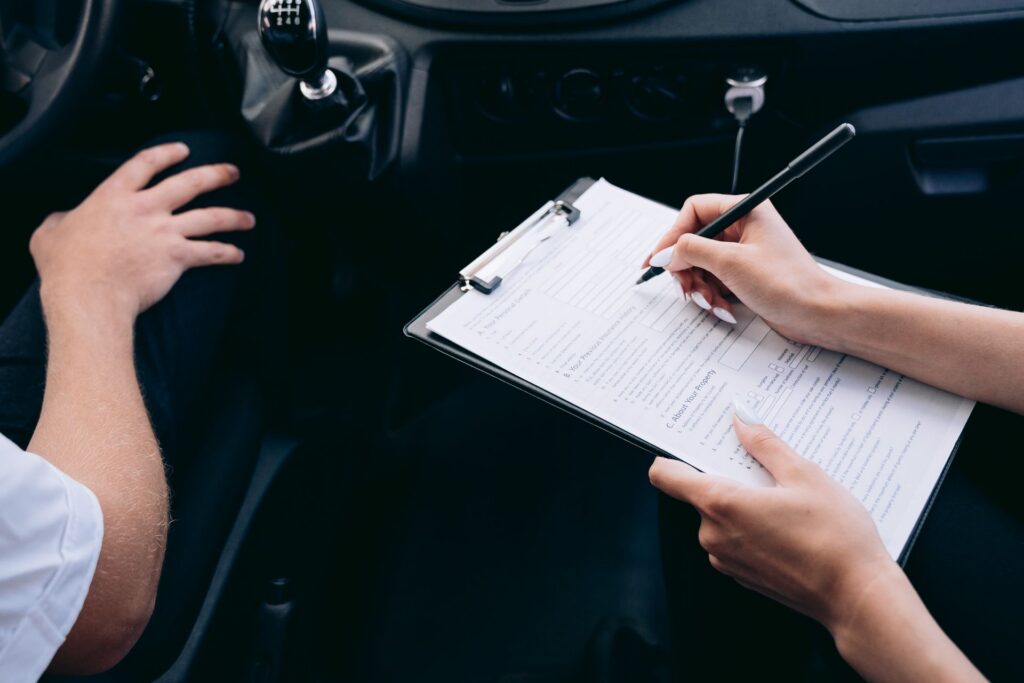
3. Gather the paperwork before you need it
Missing paperwork can stall a sale for weeks, and some of it takes time to get. Start here:
- Title. Confirm it’s in your name and that the name and VIN match the car.
- Lien payoff. If you still owe on the car, request a payoff letter from your lender. Ask how they release the title once you pay, because the process varies by lender and state.
- Registration. Make sure it’s current.
- Service records. Collect every receipt, inspection report, and major service invoice, and sort them by date. A complete history supports your price.
- Original documents. The window sticker, build sheet, certificates of authenticity, and any dealer history.
- Vehicle history report. Pull your own so nothing surprises you later.
- Photo ID. It needs to match the name on the title.
- Bill of sale and odometer disclosure. Requirements differ by state, so check with your DMV. Some states also ask for emissions or smog documentation at sale.
4. Run the checks that catch deal-killers early
These take an afternoon and save you from the surprises that kill a deal late.
- Open recalls. Look up your VIN on the NHTSA recall lookup. If a recall is open, schedule the free fix or be ready to disclose it.
- Warning lights and codes. Get the car scanned so you know what a buyer’s scan will show.
- Tires. Check the date code, not just the tread. A car that sits can age its tires out before it wears them out.
- Starting and driving. If the car has been stored, put it on a tender, confirm it starts, and drive it far enough to catch problems.
- Accident and repair history. Be ready to explain any accident or paintwork. Buyers pull history reports, and a surprise costs more than an upfront disclosure.
- Insurance timing. Keep your coverage active until the sale closes and the money is confirmed.
- Your own data. Remove toll tags, unpair your phone, clear saved addresses from navigation, and reset garage door openers.
One more check matters most: don’t hand over the car until the funds are verified in your account. Payment fraud is common in exotic car sales, and we break down the main scams in 5 Things You Need to Know Before Selling Your Exotic Car.
5. Know your number before you talk to anyone
Price is where most sellers lose leverage. Your car’s value depends on its exact model, spec, color, options, mileage, service history, and condition, so a general guess won’t hold up.
Look at what comparable cars actually sold for, not what sellers are asking. Then get at least one real offer from a buyer who prices exotics every day, so you have a number to measure everything else against. Our post on how we value your exotic car shows what goes into one.
Once you have your number, you can compare your options on equal terms: selling privately, consigning, trading in, or taking a cash offer.
Ready to see a real number?
We Buy Exotics specializes in vehicles over $100,000. If you’re motivated to sell, the process can take as little as 24 hours, and we wire the funds as soon as your car passes inspection.
You can request a cash offer here, or start with your make: Ferrari, Lamborghini, Porsche, McLaren, or Aston Martin. For the full process from start to finish, read our complete guide to selling your exotic car.

